Get Poison Sumac Removal in Burlington County, NJ
Local contractors in Burlington County, NJ, can safely remove Poison Sumac from yards, woodlands, or property borders to prevent skin irritation and maintain safe outdoor spaces.
If your property in Burlington County, NJ, shows signs of Poison Sumac growth, finding reliable removal services is an important step toward maintaining a safe outdoor environment. Poison Sumac can pose health risks to anyone who comes into contact with it, making professional removal a practical solution for property owners looking to prevent accidental exposure. Exploring local contractors who specialize in plant removal can help you compare options and find a service provider equipped to handle the job efficiently and safely.
Planning a property project often involves evaluating different service providers to ensure the best fit for your needs. For those in Burlington County, NJ, there are local contractors experienced in Poison Sumac removal, offering solutions tailored to specific property conditions. Continuing to explore your options can lead to connecting with service providers who understand the local landscape and can assist in developing an effective removal plan for your property.
- Poison Sumac Removal - needed when property owners in Burlington County neighborhoods notice toxic plants spreading across their yards.
- Poison Sumac Removal - essential for homeowners seeking to eliminate hazardous vegetation before outdoor activities or landscaping.
- Poison Sumac Removal - required when invasive plants threaten to overtake natural areas or garden spaces in nearby communities.
- Poison Sumac Removal - necessary for those concerned about safety when managing overgrown or neglected wooded areas.
- Poison Sumac Removal - sought after by property managers aiming to maintain safe outdoor environments in local residential developments.
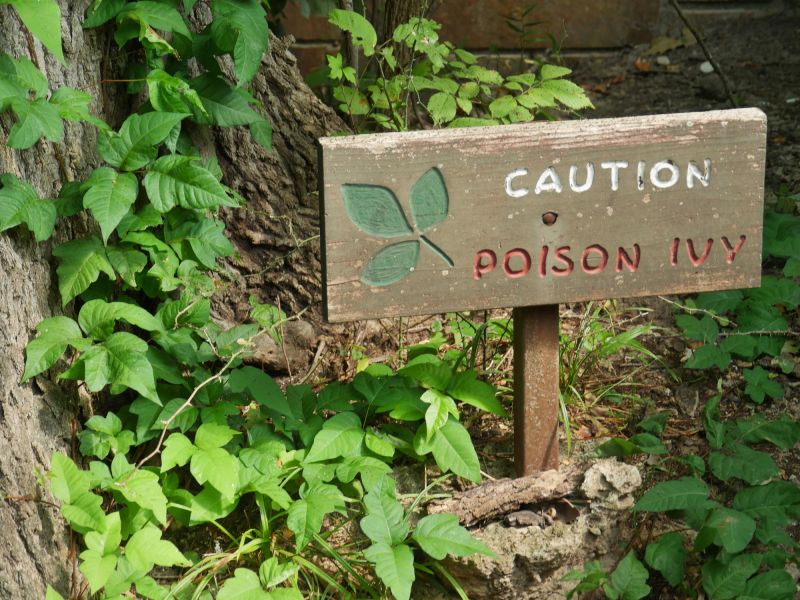
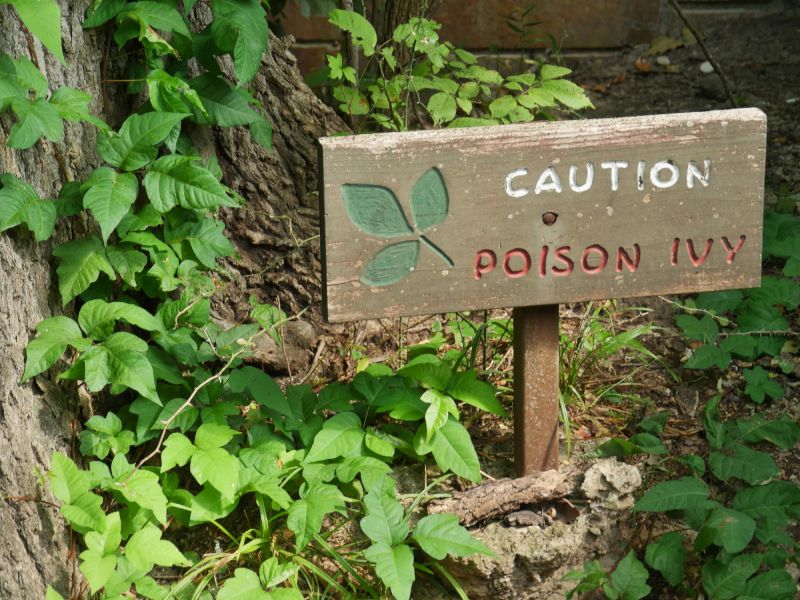
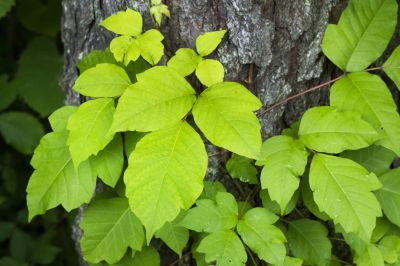
Poison sumac removal services involve identifying and safely eliminating this highly toxic plant from residential properties. These professionals typically start with a thorough assessment of the affected area to determine the extent of the infestation. Using specialized equipment and techniques, they carefully remove poison sumac plants while minimizing disturbance to surrounding vegetation. The goal is to ensure that the plant is completely eradicated, reducing the risk of future contact and exposure for property owners and their families.
This service is essential for solving problems related to skin irritation, allergic reactions, and health concerns caused by contact with poison sumac. The plant produces a potent oil called urushiol, which can cause severe skin rashes and discomfort. Removing poison sumac helps prevent accidental exposure, especially for households with children or pets who may unknowingly come into contact with the plant. Additionally, eliminating these plants can improve the overall safety and appearance of outdoor spaces, making them more enjoyable and accessible for everyday use.
Properties that typically require poison sumac removal include residential yards, gardens, and landscaping areas where the plant has grown or spread. It is common in wooded or marshy areas, along fences, or near trails and pathways. Homeowners who notice clusters of the plant or experience skin irritation after outdoor activities may consider professional removal services. These experts can also advise on ongoing management strategies to prevent regrowth and ensure the property remains safe for outdoor enjoyment.
Hiring experienced service providers for poison sumac removal ensures the job is handled efficiently and safely. Whether it’s a small backyard or a larger property, local contractors have the knowledge and tools to address the problem effectively. Removing poison sumac not only reduces health risks but also helps restore the natural beauty of the landscape. Property owners seeking a safe, thorough solution can contact qualified professionals to assess their situation and carry out the necessary removal work.
The overview below groups typical Poison Sumac Removal projects into broad ranges so you can see how smaller, mid-sized, and larger jobs often compare in Burlington County, NJ.
In many markets, a large share of routine jobs stays in the lower and middle ranges, while only a smaller percentage of projects moves into the highest bands when the work is more complex or site conditions are harder than average.
Small-Scale Removal - Typical costs for removing Poison Sumac from small areas or individual plants range from $250 to $600. Many routine jobs fall within this middle range, depending on the size and accessibility of the infestation.
Moderate Projects - Larger patches or multiple affected areas can cost between $600 and $1,500. These projects often involve more extensive work and may require additional equipment or safety measures.
Large or Complex Jobs - Extensive Poison Sumac removal, such as large property infestations, can reach $1,500 to $3,000 or more. Fewer projects fall into this highest tier, typically reserved for severe or hard-to-access sites.
Full Property Treatment - Complete removal of Poison Sumac across an entire property may cost $3,000 to $5,000+, depending on size and complexity. These larger projects are less common but are handled by experienced local contractors for comprehensive clearance.
Actual totals will depend on details like access to the work area, the scope of the project, and the materials selected, so use these as general starting points rather than exact figures.
Brush Clearing and Vegetation Management - Local contractors often perform brush clearing that requires similar planning and tools as Poison Sumac removal to manage dense, overgrown areas.
Invasive Plant Species Removal - Removing invasive plants involves careful planning and the use of specialized tools, akin to the techniques used in poison sumac eradication.
Tree and Shrub Pruning - Pruning trees and shrubs requires knowledge of plant health and safety, which complements the skills needed for poison sumac removal projects.
Wildfire Prevention Clearing - Clearing brush and debris for wildfire prevention involves similar site assessment and vegetation management skills as poison sumac removal.
Landscaping and Yard Restoration - Landscaping projects that involve clearing unwanted plants and preparing the soil utilize planning and tools comparable to poison sumac removal services.
Wetland Vegetation Control - Managing vegetation in wetland areas requires careful planning and specific tools, similar to those used in poison sumac removal efforts.
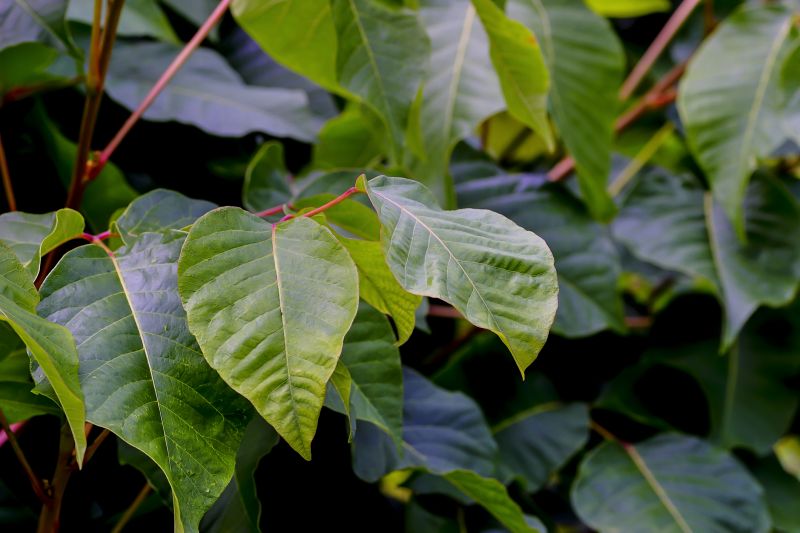
When evaluating potential service providers for Poison Sumac removal, it’s important to consider their experience with similar projects in the Burlington County area. Homeowners should look for local contractors who have a demonstrated history of handling plant removal or invasive species management, as this indicates familiarity with the specific challenges and environmental conditions of the region. An experienced professional is more likely to understand the best methods for safely and effectively removing Poison Sumac, reducing the risk of regrowth or damage to surrounding landscape features.
Clear and detailed written expectations are essential when comparing local options. Homeowners should seek out service providers who can provide comprehensive descriptions of their process, including the scope of work, safety considerations, and any follow-up recommendations. Having this information in writing helps ensure that both parties share a common understanding of the project, minimizes misunderstandings, and allows for more straightforward comparisons between different contractors’ approaches and offerings.
Reputable references and strong communication are key factors to consider when choosing a Poison Sumac removal specialist. Local contractors with positive references can provide insight into past project outcomes and customer satisfaction, offering peace of mind that the work will be completed professionally. Additionally, good communication-such as prompt responses to inquiries and willingness to answer questions-can make the process smoother and more transparent. It’s worth noting that this site functions solely as a resource to introduce homeowners to qualified local service providers, rather than performing the work itself, making it a helpful starting point for connecting with trusted experts in the area.
Property owners in Burlington County, NJ use Poison Sumac Removal services for practical projects around their homes and businesses. This guide focuses on everyday jobs and straightforward project options.
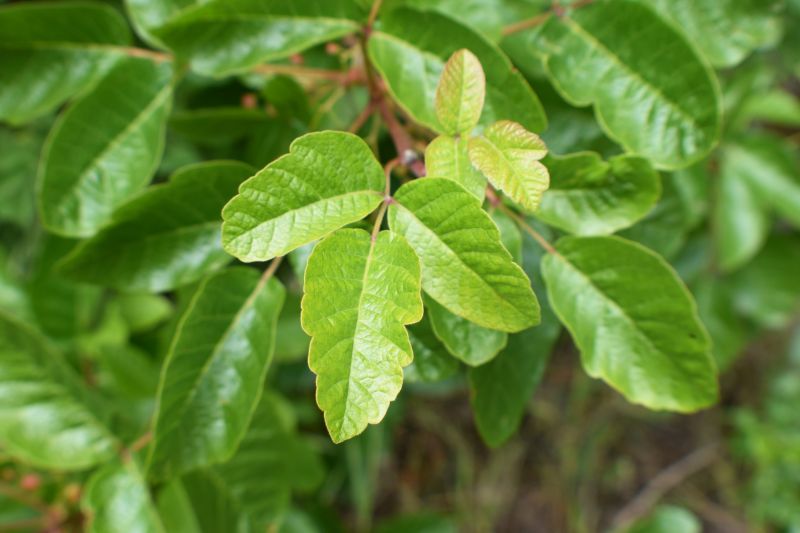
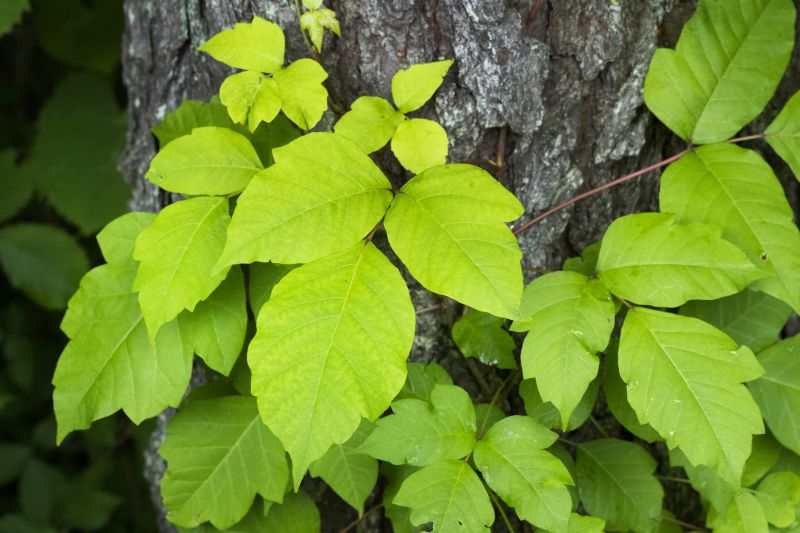
Poison sumac can pose a serious health risk for property owners in Burlington County, NJ, especially when it begins to grow along wooded areas, fence lines, or near outdoor recreational spaces. Homeowners and landowners might seek professional removal services after noticing the plant spreading into their yards or causing skin irritation during outdoor activities. Local contractors experienced in plant removal can help safely eliminate poison sumac to prevent accidental contact and protect family members, pets, and visitors.
In many cases, property owners look for poison sumac removal when clearing overgrown areas, preparing land for new landscaping, or maintaining safe outdoor environments. Whether the plant has appeared in a backyard, along walking trails, or near garden beds, local service providers can handle the job efficiently. Connecting with nearby experts ensures that the removal process is performed properly, reducing the risk of regrowth and keeping outdoor spaces safe for everyday use.
What are the signs of Poison Sumac growth? Common indicators include clusters of reddish or greenish leaves with smooth edges and small white or gray berries, often found in wet, wooded areas.
Why should I consider professional Poison Sumac removal? Professionals can safely identify and remove Poison Sumac, reducing the risk of skin irritation and preventing the spread to other areas.
How do local contractors typically handle Poison Sumac removal? They usually assess the affected area, use appropriate protective gear, and carefully eliminate the plants to prevent regrowth and exposure.
Are there environmental considerations when removing Poison Sumac? Yes, experienced service providers aim to remove Poison Sumac responsibly, minimizing impact on surrounding vegetation and wildlife.
What should I do if I suspect Poison Sumac on my property? Contact local service providers who specialize in plant removal to schedule an assessment and safe removal of the plants.
Poison Sumac Removal for Safety - Property owners can use this service to eliminate poison sumac and reduce health risks for family and visitors.
Yard Cleanup and Landscaping - Removing poison sumac helps create a safer environment for outdoor activities and landscaping projects.
Preventing Spread of Poison Sumac - Local contractors can help control the spread of poison sumac to protect nearby plants and trees.
Property Maintenance and Clearance - Regular removal services support ongoing property upkeep and ensure outdoor spaces remain safe and accessible.
If you are thinking about Poison Sumac Removal for a property in Burlington County, NJ, this guide is meant to help you understand the work, the typical project types, and how different options might fit your plans.
When you are ready, you can use the quote form on this page to share a few details about your project. From there, local pros can review the basics and respond with options that match what you have in mind.