Get Poison Sumac Removal in Knoxville, TN
Poison sumac removal services for Knoxville property owners address hazardous plant removal, helping with landscaping, clearing overgrown areas, and ensuring safety around homes and yards.
Poison sumac removal is an important step for property owners in Knoxville, TN who want to maintain a safe and healthy outdoor environment. This invasive plant can pose health risks through skin contact or airborne spores, making prompt and effective removal a practical consideration for those looking to protect family members, pets, and visitors. Whether planning a landscaping project, preparing for outdoor activities, or simply aiming to eliminate a persistent nuisance, property owners can find value in exploring local contractor options that specialize in plant removal services.
By comparing different local service providers, property owners in Knoxville can better understand the range of solutions available for poison sumac removal. Many contractors have experience handling diverse outdoor challenges and can help develop a plan suited to specific property needs. Continuing to explore these options allows for informed decisions and ensures that the chosen solutions align with individual property goals and safety considerations.
- Poison Sumac Removal - needed when poisonous sumac plants threaten residential yards or outdoor spaces in Knoxville neighborhoods.
- Poison Sumac Removal - required for property owners seeking to eliminate toxic plants from wooded or overgrown areas.
- Poison Sumac Removal - essential when invasive sumac plants are encroaching on gardens or landscaped zones.
- Poison Sumac Removal - necessary after discovering poison sumac during land clearing or renovation projects.
- Poison Sumac Removal - sought by homeowners aiming to ensure safety around play areas or frequently used outdoor spaces.
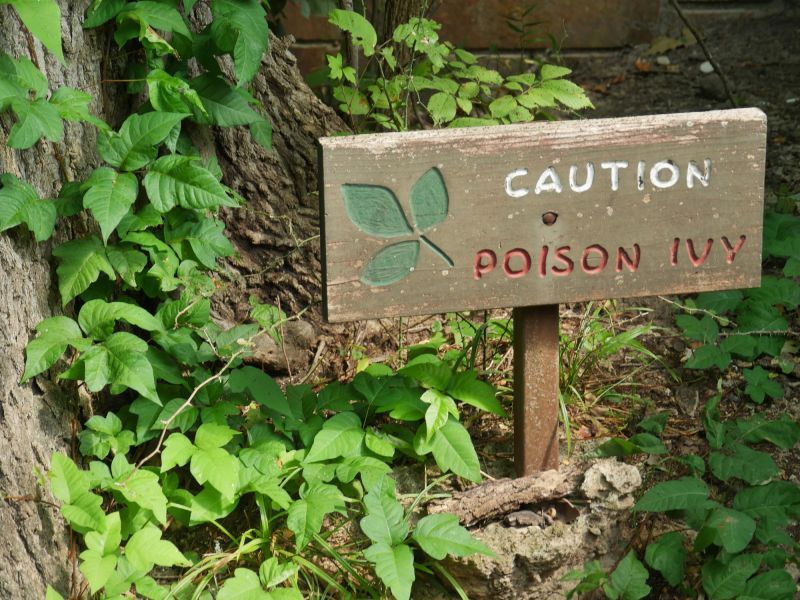
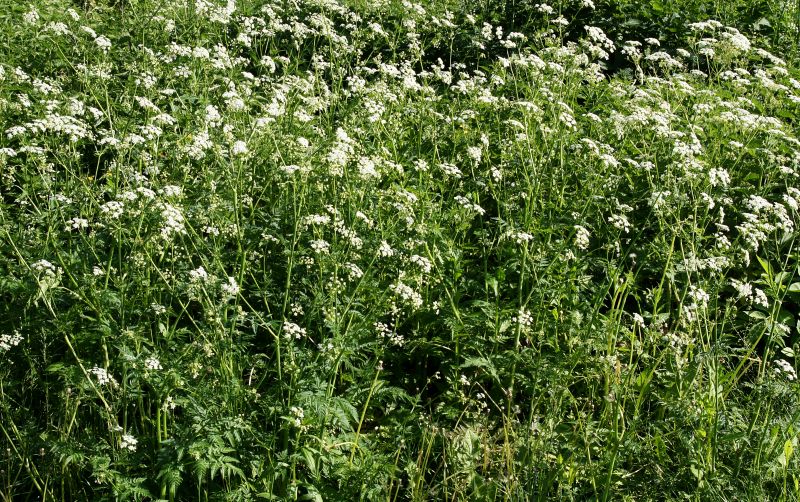
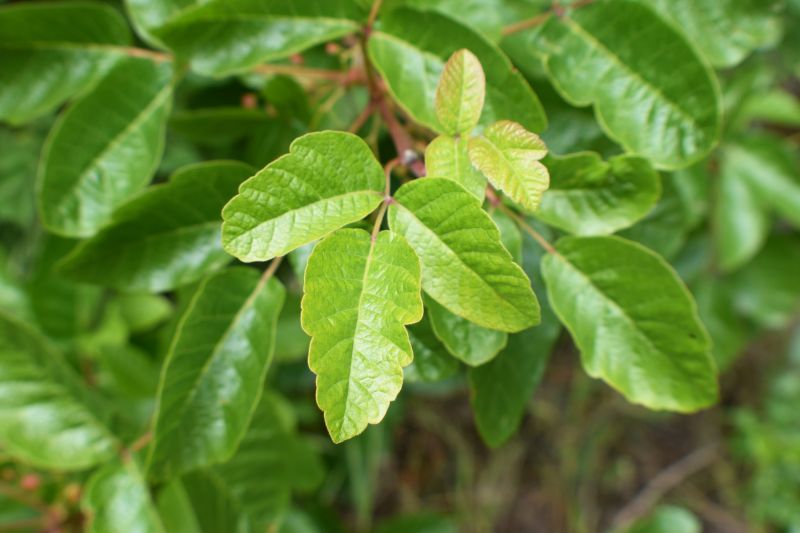
Poison sumac removal services involve identifying and safely eliminating this toxic plant from residential or commercial properties. These services typically start with a thorough assessment of the affected area to determine the extent of the poison sumac growth. Once identified, trained service providers use specialized tools and protective gear to carefully remove the plants, ensuring that the toxin does not spread or cause further exposure. Proper disposal methods are also followed to prevent any accidental contact or re-growth, making the process both safe and effective.
This service helps solve a variety of problems for property owners. Poison sumac can cause severe skin irritation, allergic reactions, and discomfort for anyone who comes into contact with it. Overgrown or unmanaged poison sumac can pose health risks to families, children, and pets, especially in areas where outdoor activities are common. Removing the plant not only reduces health hazards but also improves the overall appearance of the landscape, making outdoor spaces safer and more enjoyable for everyone.
Properties that typically require poison sumac removal include residential yards, gardens, and outdoor recreational areas. Commercial properties such as parks, playgrounds, or outdoor event spaces may also need professional removal to ensure safety. These services are often sought after when poison sumac is found in accessible areas that could be accidentally contacted during outdoor activities. Whether in a backyard, near a walking trail, or around a commercial property, local contractors can help clear the poison sumac to restore safety and peace of mind.
Homeowners and property managers who notice unusual plants with clusters of white or gray berries, or plants with smooth, grayish-green leaves, should consider professional removal. Poison sumac can sometimes be mistaken for harmless plants, so expert assessment is important to confirm its identity. Engaging experienced service providers ensures that the removal process is handled correctly, minimizing the risk of exposure and preventing future growth. Contacting local contractors for poison sumac removal can help maintain a safe, healthy outdoor environment.
The overview below groups typical Poison Sumac Removal projects into broad ranges so you can see how smaller, mid-sized, and larger jobs often compare in Knoxville, TN.
In many markets, a large share of routine jobs stays in the lower and middle ranges, while only a smaller percentage of projects moves into the highest bands when the work is more complex or site conditions are harder than average.
Small-Scale Removal - Typical costs for removing poison sumac from small areas or individual plants range from $250 to $600. Many routine jobs fall within this range, especially for localized infestations on residential properties.
Medium-Sized Projects - For larger sections of affected landscape or multiple plants, local contractors often charge between $600 and $1,500. These projects are common and usually involve moderate labor and treatment costs.
Extensive or Commercial Jobs - Large-scale infestations covering extensive acreage or commercial properties can cost from $1,500 to $5,000 or more. Fewer projects reach this level, typically involving complex removal and site cleanup.
Full Site Remediation - Complete removal of poison sumac from an entire property may exceed $5,000, depending on size and accessibility. Such comprehensive projects are less common and often involve multiple visits and specialized equipment.
Actual totals will depend on details like access to the work area, the scope of the project, and the materials selected, so use these as general starting points rather than exact figures.
Invasive Plant Removal - Local contractors experienced in removing invasive plants use similar tools and planning methods as Poison Sumac removal to ensure safe and effective clearance.
Brush Clearing and Land Clearing - Land clearing projects require knowledge of plant identification and proper disposal techniques, aligning with the skills needed for Poison Sumac removal.
Stump and Root Removal - Removing remaining roots and stumps involves similar excavation and safety practices used when handling Poison Sumac infestations.
Vegetation Management - Managing overgrown vegetation involves assessing plant types and applying targeted removal strategies, similar to Poison Sumac control efforts.
Hazardous Plant Abatement - Addressing hazardous plants requires careful planning and specialized tools, paralleling the approach for Poison Sumac eradication.
Wildfire Brush Mitigation - Clearing brush to reduce fire risk involves similar planning and clearing techniques used in Poison Sumac removal projects.
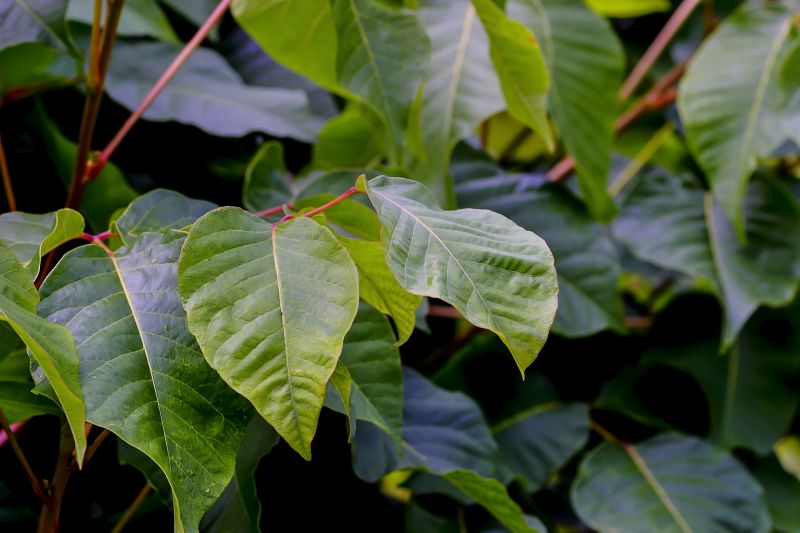
When selecting a contractor to handle Poison Sumac removal, it’s important to consider their experience with similar projects. Homeowners should look for local service providers who have a proven track record of managing plant removal jobs comparable in scope and complexity. This experience can provide reassurance that the contractor understands the specific challenges associated with Poison Sumac and has developed effective methods for safe and thorough removal. Asking about past projects or seeking references can help verify a contractor’s familiarity with this type of work, ensuring that they are well-equipped to handle the job efficiently and effectively.
Clear, written expectations are essential to a successful project. Homeowners should communicate their specific concerns and desired outcomes in detail, and ensure that potential contractors provide a comprehensive scope of work in writing. This documentation should outline what is included in the service, any preparation or follow-up steps, and the methods that will be used. Having these expectations clearly documented helps prevent misunderstandings and provides a basis for comparing different service providers, making it easier to choose a professional who aligns with the homeowner’s needs.
Good communication and reputable references are key indicators of a dependable service provider. Homeowners are encouraged to inquire about how the contractor communicates during the project, such as responsiveness to questions or updates on progress. Additionally, asking for references from previous clients can offer insights into the contractor’s reliability, professionalism, and quality of work. By focusing on these aspects, homeowners can better assess which local contractors are capable of delivering a smooth and satisfactory Poison Sumac removal experience, ensuring the job is handled by qualified professionals.
Property owners in Knoxville, TN use Poison Sumac Removal services for practical projects around their homes and businesses. This guide focuses on everyday jobs and straightforward project options.
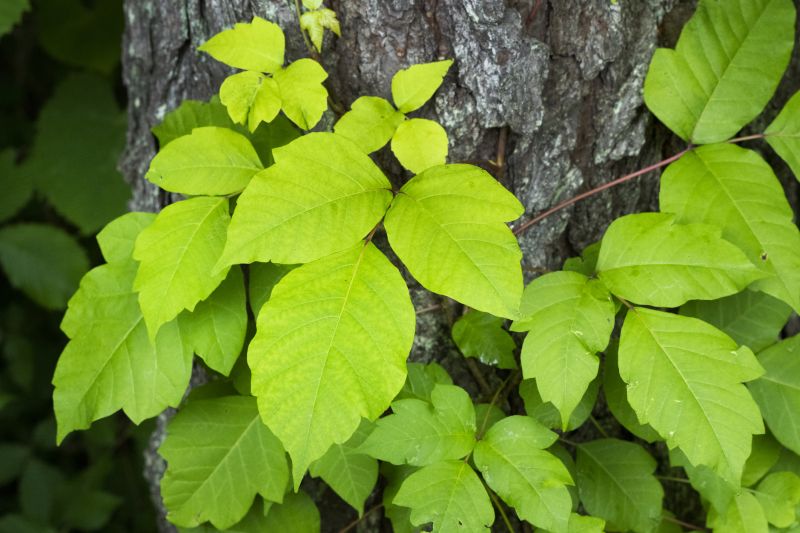
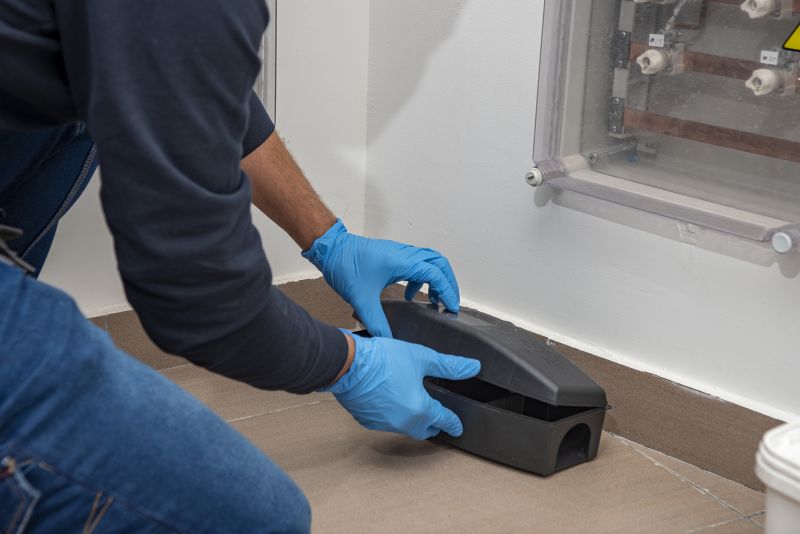
Poison sumac can pose a serious concern for property owners in Knoxville, TN, especially when it begins to grow in yards, wooded areas, or along fence lines. Homeowners may notice skin irritation after outdoor activities or discover the plant while clearing brush or maintaining their landscape. In such cases, local contractors specializing in poison sumac removal can help safely eliminate the plant and prevent future growth, making outdoor spaces safer for families and pets.
Additionally, property owners often seek poison sumac removal services when preparing for outdoor events, landscaping projects, or property renovations. Overgrown or hidden patches of poison sumac can be a hidden hazard that complicates yard work or outdoor enjoyment. Experienced local service providers can assess the situation, carefully remove the plant, and help restore the safety and beauty of the property.
What is poison sumac and how does it differ from other plants? Poison sumac is a woody shrub or small tree with clusters of white or gray berries, and it can cause skin irritation similar to poison ivy or poison oak. It typically grows in wetlands and swampy areas, making it distinct in habitat and appearance from other sumacs or plants.
How do local contractors typically remove poison sumac? Professionals often use specialized tools and protective gear to carefully remove or cut back poison sumac plants, ensuring the roots are properly managed to prevent regrowth and minimize exposure.
Are there environmental considerations when removing poison sumac? Removal methods focus on safely eliminating the plant while minimizing disturbance to the surrounding area, especially in sensitive wetland or natural habitats.
What safety precautions should be taken during poison sumac removal? It’s recommended to wear protective clothing such as gloves, long sleeves, and eye protection to prevent skin contact with the plant’s irritating oils during removal.
How can I find local service providers experienced with poison sumac removal? Contacting local contractors through a lead generation service can connect you with professionals experienced in handling poison sumac removal in your area.
Protect family and pets from poison sumac exposure - removing the plant from yards and play areas helps create a safer outdoor environment.
Clear overgrown areas for outdoor activities - professional removal services can help keep lawns and gardens accessible and enjoyable.
Prepare properties for landscaping or renovation projects - eliminating poison sumac ensures safe and smooth outdoor work.
Maintain property safety and aesthetics - local contractors can assist in removing unwanted plants to improve curb appeal and safety.
If you are thinking about Poison Sumac Removal for a property in Knoxville, TN, this guide is meant to help you understand the work, the typical project types, and how different options might fit your plans.
When you are ready, you can use the quote form on this page to share a few details about your project. From there, local pros can review the basics and respond with options that match what you have in mind.