Optimal Timing for Poison Sumac Removal
Understanding the optimal timing for Poison Sumac removals is essential for effective control and safety. The best time to undertake removal efforts is during late winter to early spring when the plant is dormant. During this period, the plant's foliage is minimal, reducing exposure risk and making identification easier.
Removing Poison Sumac in spring helps prevent the plant from producing new growth and seeds, reducing future spread.
Summer removal is more difficult due to dense foliage and increased risk of exposure to allergic oils.
Fall can be effective for removal, but the plant's leaves are changing color and may be more difficult to identify.
Dormant season removal minimizes exposure and allows easier identification of the plant's root system.
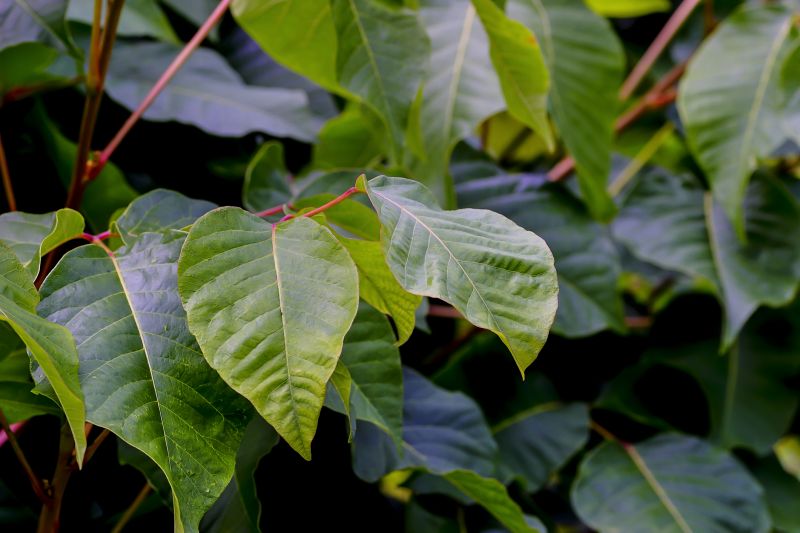
Poison Sumac with minimal foliage during winter.
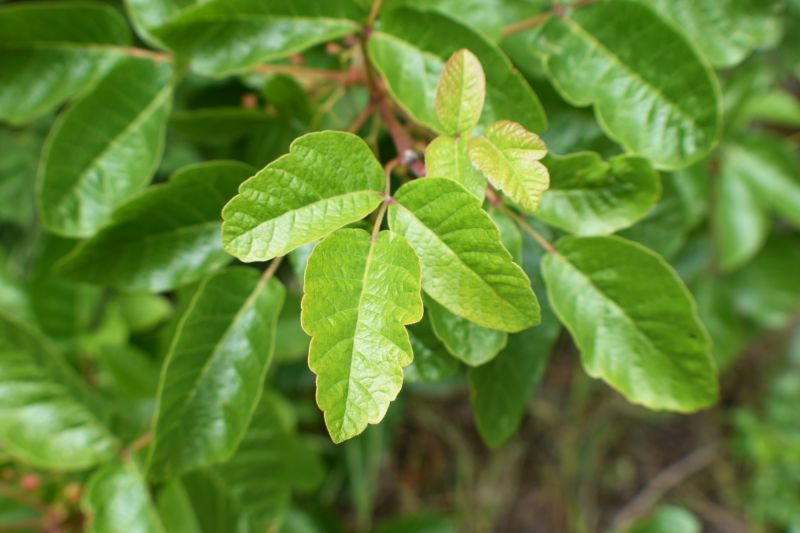
New Poison Sumac shoots emerging in early spring.
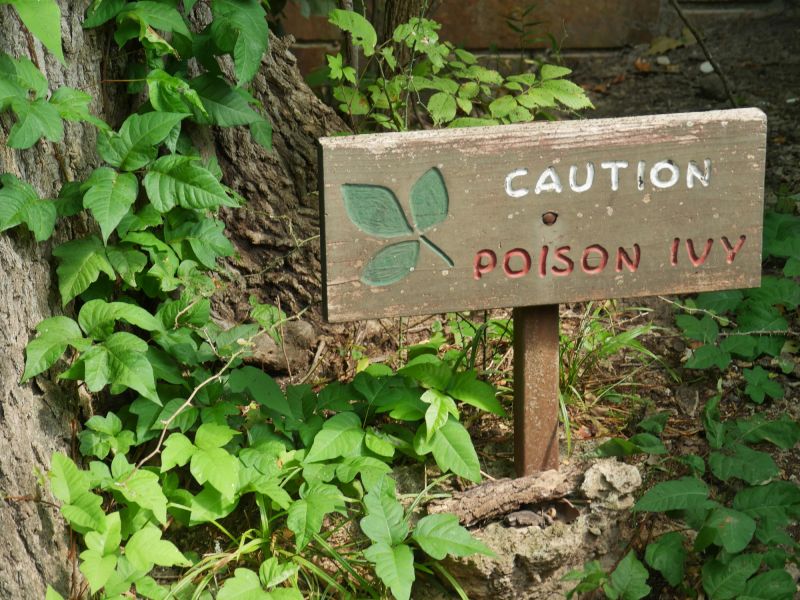
Dense summer foliage of Poison Sumac.
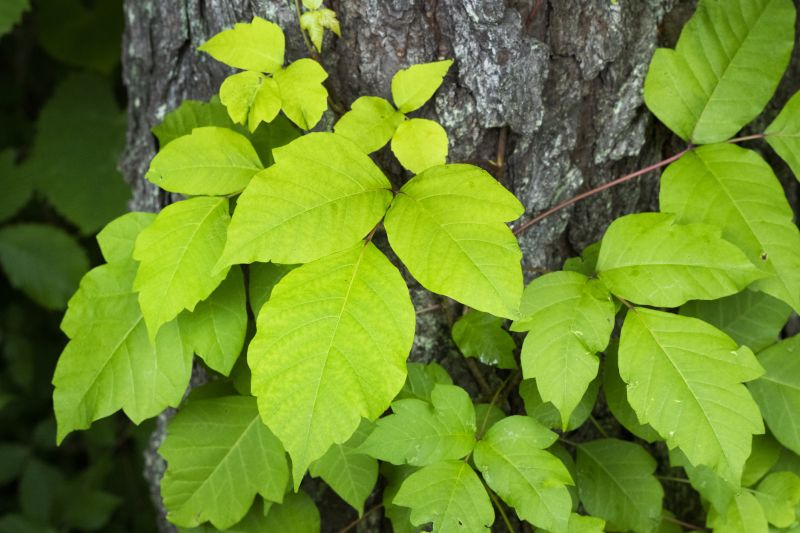
Ways to make Poison Sumac Removals work in tight or awkward layouts.
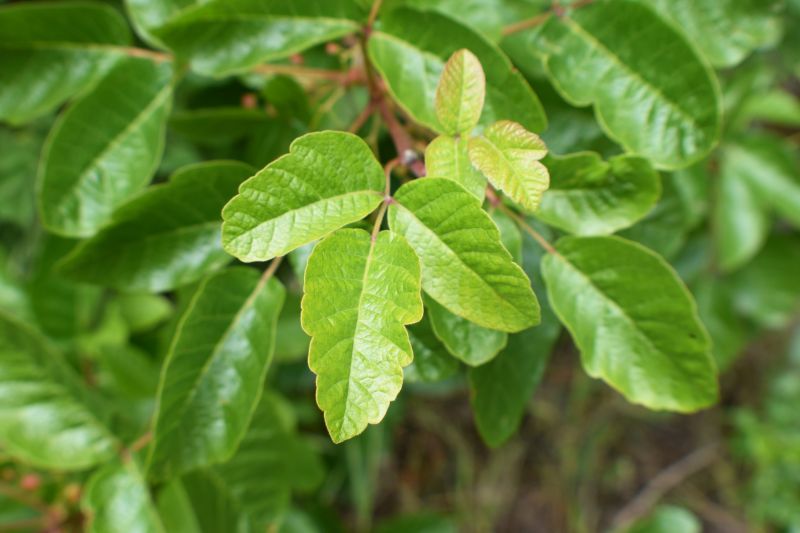
Popular materials for Poison Sumac Removals and why they hold up over time.

Simple add-ons that improve Poison Sumac Removals without blowing the budget.
Poison Sumac is a perennial shrub or small tree that can cause severe skin irritation upon contact, due to the presence of urushiol oil. It typically grows in wetlands, swamps, and moist areas. Effective removal reduces the risk of allergic reactions and prevents the plant from spreading to new locations. The plant produces berries that are attractive to wildlife but pose health risks to humans. Proper timing and removal techniques are crucial for safe and successful eradication.
Statistics indicate that early intervention during the dormant season results in a 30% higher success rate in controlling Poison Sumac spread. Removal during this period also minimizes exposure to urushiol oils, reducing allergic reactions among workers and property owners. Regular monitoring and removal efforts during the right season can significantly decrease the density of Poison Sumac stands over time.
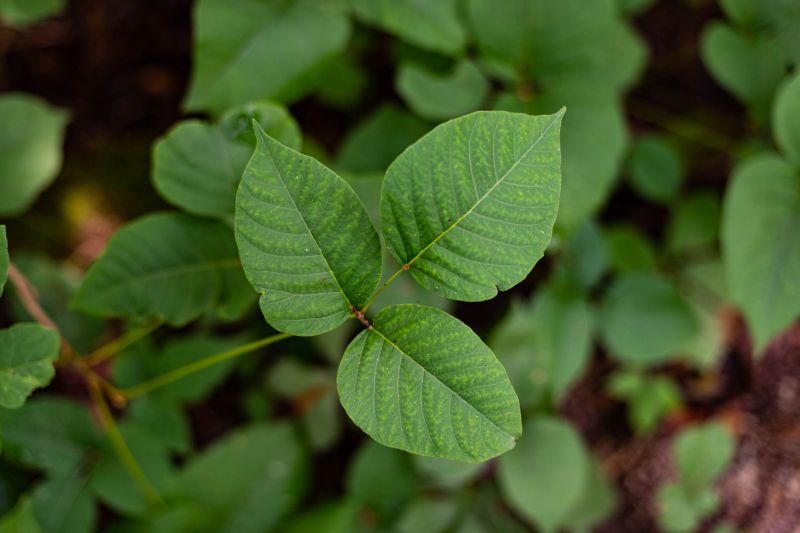
Clusters of Poison Sumac berries.
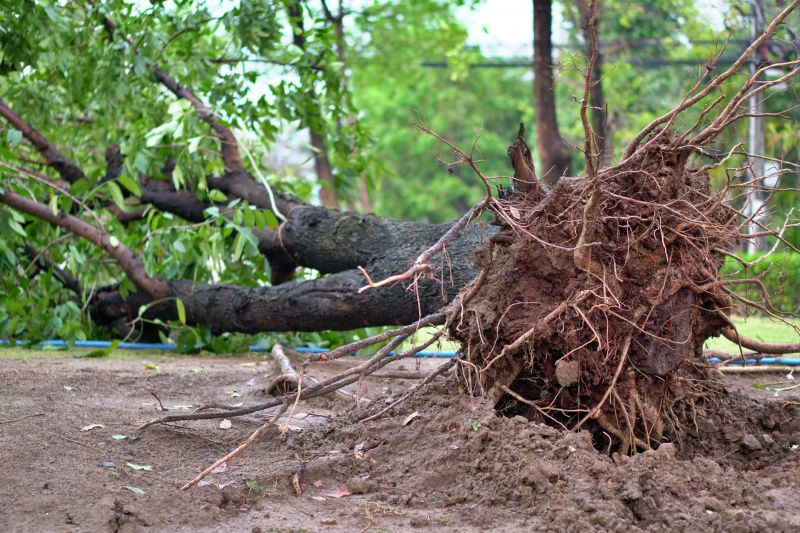
Underground root structure of Poison Sumac.
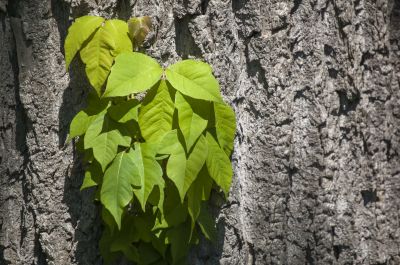
Leaves and stems of Poison Sumac.
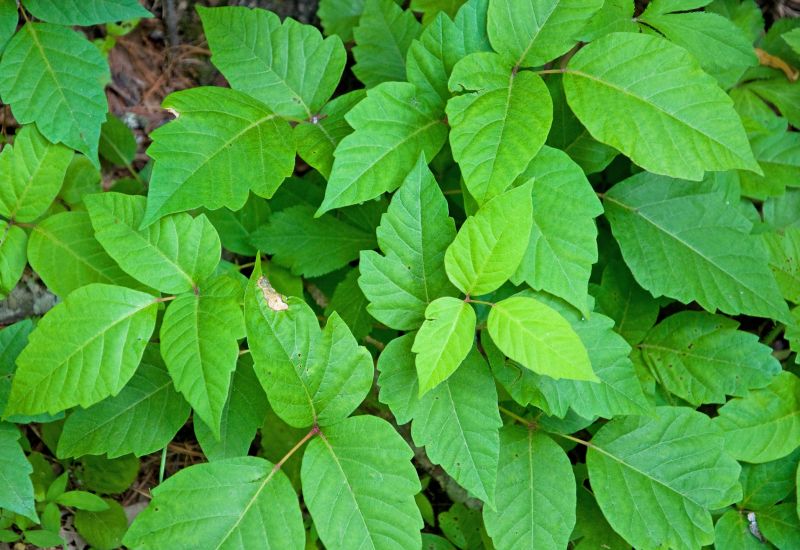
High-end options that actually feel worth it for Poison Sumac Removals.

Finishes and colors that play nicely with Poison Sumac Removals.

Little measurements that prevent headaches on Poison Sumac Removals day.
| Season | Effectiveness |
|---|---|
| Winter | High - plant is dormant, easier to identify and remove |
| Spring | Moderate - new growth begins, effective removal |
| Summer | Low - dense foliage, increased exposure risk |
| Fall | Moderate - leaves change color, identification can be challenging |
Timing is a critical factor in Poison Sumac removal strategies. Conducting removal during the plant's dormant period ensures better identification, safer handling, and higher success rates. Proper planning and seasonal awareness can aid in controlling and preventing the spread of Poison Sumac effectively.
Individuals interested in Poison Sumac removals are encouraged to contact professionals for assistance. Proper techniques and timing are vital for safety and effectiveness in managing this invasive plant.