Get Poison Sumac Removal in Philadelphia, PA
Poison sumac removal services help property owners in Philadelphia and nearby areas eliminate dangerous plants from yards, wooded areas, or construction sites to ensure safety and compliance.
Poison sumac can pose serious health risks for property owners in Philadelphia, PA, especially for those planning outdoor projects or landscaping improvements. If you’ve noticed this hazardous plant on your property, it’s important to consider professional removal to ensure safety and compliance with local regulations. Connecting with experienced service providers can help you evaluate your options and develop a plan tailored to your property’s needs, whether for regular maintenance or a one-time cleanup.
Exploring local contractors who specialize in poison sumac removal offers practical benefits for property owners seeking reliable, effective solutions. Comparing different service providers can help you find the right fit for your project, ensuring the job is handled properly and efficiently. Keep reading to learn more about how local experts can assist with safe and thorough removal, helping you maintain a safe outdoor space in Philadelphia.
- Poison Sumac Removal - needed when overgrown areas in neighborhoods like Fishtown or South Philadelphia pose a risk to residents.
- Poison Sumac Removal - required after property clearance or landscaping projects in wooded or brush-filled lots.
- Poison Sumac Removal - essential for homeowners in suburban areas seeking to eliminate hazardous plants from their yards.
- Poison Sumac Removal - necessary when invasive poison sumac spreads into natural or landscaped areas in the city.
- Poison Sumac Removal - sought by property managers in parks or green spaces experiencing plant overgrowth that includes poison sumac.
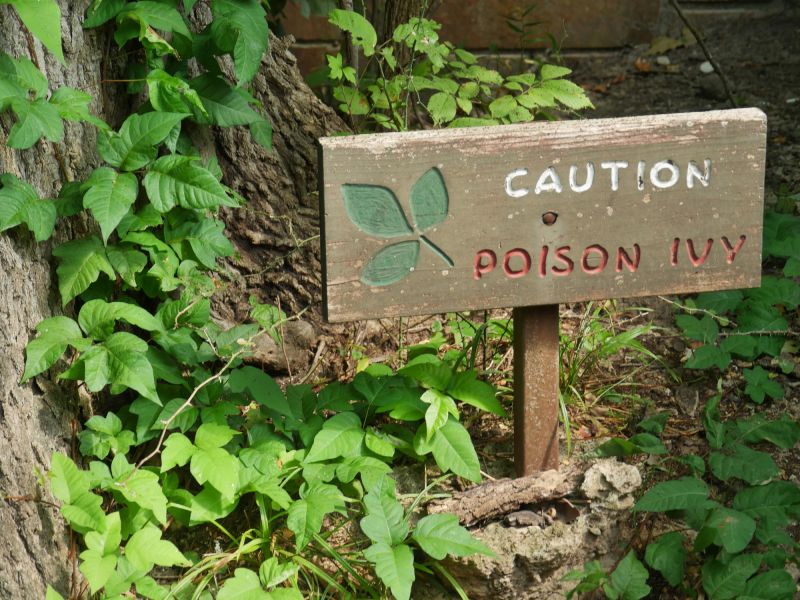
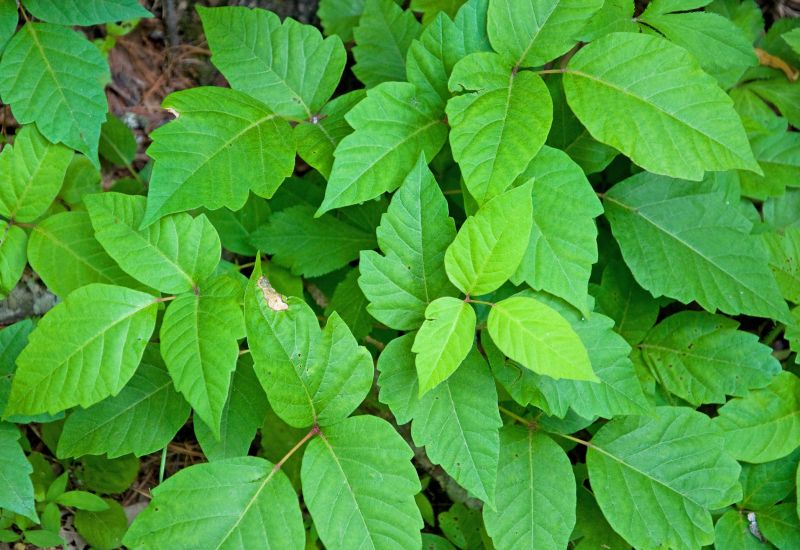
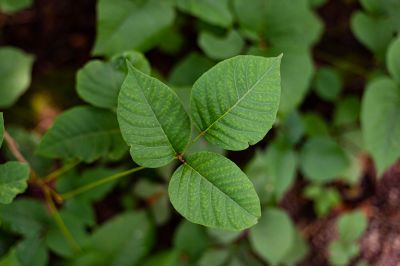
Poison sumac removal services involve identifying and safely eliminating this toxic plant from residential or commercial properties. Trained service providers use specialized equipment and techniques to carefully remove poison sumac bushes, ensuring that the plant is completely eradicated to prevent future growth. The process typically includes assessing the extent of the infestation, carefully cutting back or digging out the plants, and properly disposing of the debris to prevent accidental contact. This service helps property owners manage hazardous vegetation and reduces the risk of allergic reactions or skin irritation caused by contact with the plant.
Poison sumac is known for causing skin rashes, itching, and swelling in individuals who come into contact with it. It can also pose a threat to children, pets, and anyone who unknowingly brushes against the plant while enjoying outdoor spaces. Removing poison sumac helps solve these problems by eliminating the source of the allergenic substance, making outdoor areas safer for families and visitors. Additionally, removal can prevent the plant from spreading to nearby areas, reducing the likelihood of future infestations and maintaining a safer, more enjoyable landscape.
This service is often needed on properties with overgrown yards, wooded areas, or undeveloped land where poison sumac has taken hold. It is commonly requested by homeowners who want to clear their yards of hazardous vegetation, as well as by property managers or landscapers maintaining parks, trails, or recreational areas. Rural properties, farms, and properties near wetlands or wooded regions are particularly prone to poison sumac growth. Engaging professional removal helps ensure the job is done safely and thoroughly, especially in areas where the plant is difficult to identify or access.
When property owners notice patches of poison sumac or suspect its presence, professional removal services provide a practical solution. These experts can assess the situation and recommend the most effective approach to eliminate the plant. Whether dealing with small patches or larger infestations, local contractors can tailor their methods to suit the property’s size and landscape. Removing poison sumac not only enhances safety but also helps maintain a healthy, attractive outdoor environment, allowing residents to enjoy their yards without concern about exposure to this toxic plant.
The overview below groups typical Poison Sumac Removal projects into broad ranges so you can see how smaller, mid-sized, and larger jobs often compare in Philadelphia, PA.
In many markets, a large share of routine jobs stays in the lower and middle ranges, while only a smaller percentage of projects moves into the highest bands when the work is more complex or site conditions are harder than average.
Small-Scale Removal - Most routine poison sumac removal projects in Philadelphia typically cost between $250 and $600. These jobs usually involve treating smaller affected areas or individual plants. Many local service providers handle these projects within this typical range.
Medium-Sized Jobs - For larger areas or multiple plants, costs generally range from $600 to $1,500. These projects often involve more extensive treatment across yards or properties, with many falling into this middle price band.
Large or Complex Projects - Larger, more complex poison sumac removal jobs can reach $1,500 to $3,000 or more. These may include extensive landscaping or difficult-to-access areas, with fewer projects pushing into the higher tiers.
Full Property Removal - Complete removal of poison sumac across an entire property can cost $3,000+ depending on size and complexity. These larger projects are less common but handled by specialized local contractors for comprehensive treatment.
Actual totals will depend on details like access to the work area, the scope of the project, and the materials selected, so use these as general starting points rather than exact figures.
Invasive Plant Removal - local contractors experienced in removing invasive species like Japanese knotweed or reed canary grass share similar skills in identifying and safely eliminating unwanted vegetation.
Stump Grinding and Tree Clearing - professionals who handle tree removal and stump grinding often have the tools and planning expertise needed for clearing dense Poison Sumac growths.
Landscape Clearing and Thinning - landscape service providers skilled in clearing overgrown areas can efficiently manage plant removal projects similar to Poison Sumac eradication.
Brush and Shrub Removal - local contractors specializing in brush clearing have experience with dense, woody vegetation, making them suitable for Poison Sumac removal tasks.
Wetland Vegetation Management - experts managing plant control in wetland areas possess the specialized planning and tools relevant to Poison Sumac removal in moist environments.
Hazard Tree Assessment and Removal - professionals experienced in assessing and removing hazardous trees often handle similar vegetation removal projects requiring careful planning and safety considerations.
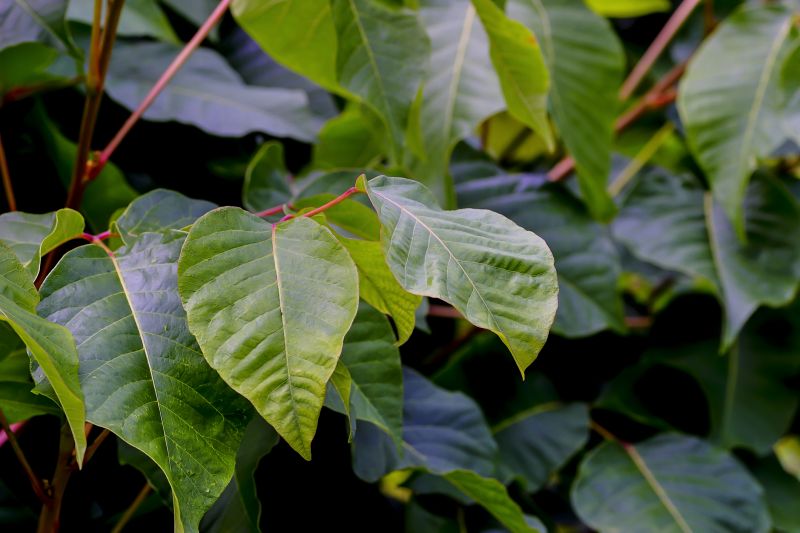
When selecting a contractor to remove Poison Sumac from a property in Philadelphia or nearby areas, it’s important to consider their experience with similar projects. Homeowners should inquire about how long a service provider has been handling plant removal jobs, especially those involving Poison Sumac or comparable invasive plants. Contractors with a proven track record in managing these types of projects are more likely to understand the specific challenges involved and to deliver effective results. Verifying a contractor’s familiarity with local plant species and environmental conditions can help ensure the work is performed properly and safely.
Clear, written expectations are essential for a successful project. Homeowners should seek service providers who can provide detailed descriptions of their process, including the methods they plan to use and the scope of work involved. Having this information in writing helps prevent misunderstandings and sets a foundation for accountability. It’s also helpful to ask for reputable references or reviews from previous clients who have had similar Poison Sumac removal work completed, as these can offer insight into the quality and reliability of the contractor’s services.
Effective communication is a key factor when comparing local contractors. Homeowners should evaluate how promptly and clearly potential service providers respond to inquiries and whether they are willing to address questions or concerns thoroughly. Good communication ensures that expectations are aligned and that any issues can be addressed quickly throughout the project. Remember, this site introduces homeowners to local options for Poison Sumac removal; it does not perform the work itself. Connecting with experienced and reputable service providers through careful comparison can help ensure the project is completed to satisfaction.
Property owners in Philadelphia, PA use Poison Sumac Removal services for practical projects around their homes and businesses. This guide focuses on everyday jobs and straightforward project options.
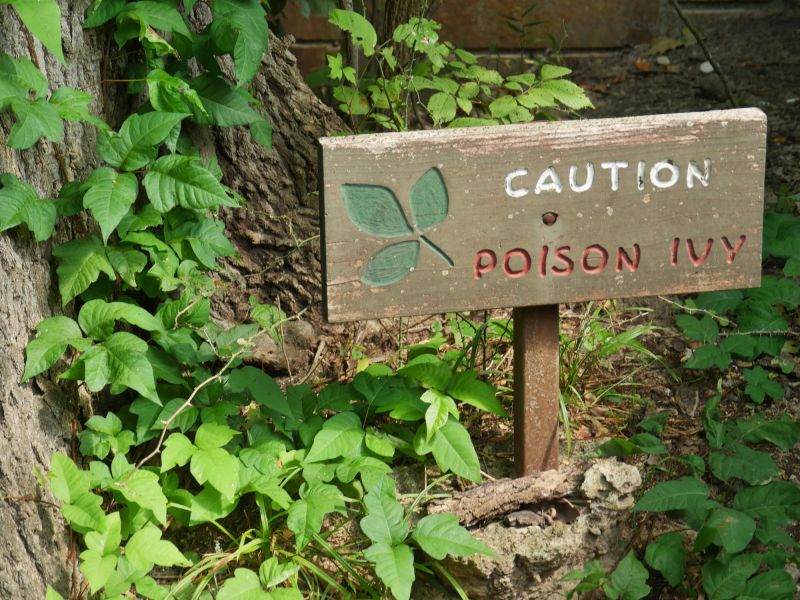
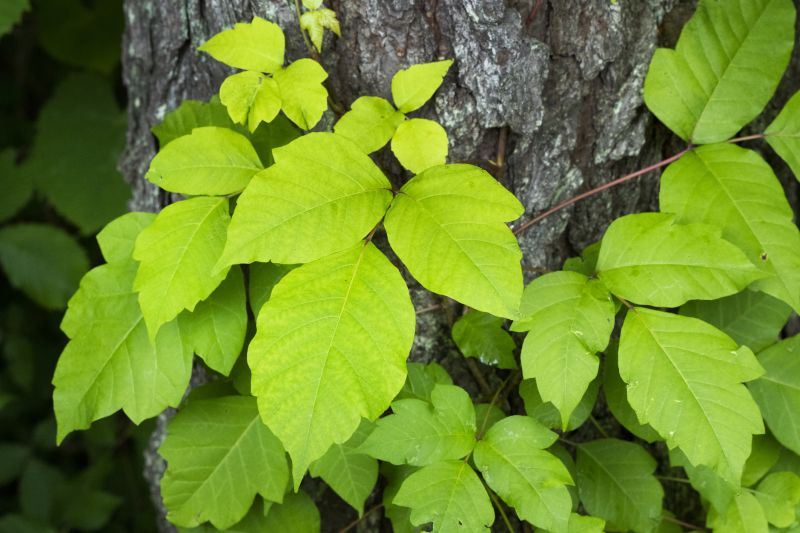
Poison sumac can pose a serious health risk for property owners in Philadelphia, PA, especially when it begins to grow in accessible areas like backyards, wooded lots, or near walking paths. Homeowners might notice itchy rashes, skin irritation, or swelling after outdoor activities, prompting them to seek professional removal services. Local contractors experienced in poison sumac removal can safely and effectively handle these situations, helping residents maintain a safe outdoor environment.
In many cases, property owners need poison sumac removal when the plant starts to spread into areas where children or pets play, or when it becomes difficult to manage without specialized equipment. Whether dealing with overgrown patches in a backyard or invasive growth along property boundaries, local service providers are equipped to assess the situation and provide appropriate removal solutions. Connecting with experienced contractors can ensure the plant is removed properly, reducing health risks and preventing future growth.
What is Poison Sumac and how can I identify it? Poison sumac is a plant that typically grows in wet, wooded areas and has clusters of white or gray berries. It can cause skin irritation upon contact, so recognizing its appearance is important for safety.
What are the signs that I need Poison Sumac removal? Signs include skin rashes or irritation after outdoor activities in affected areas, or noticing the plant’s characteristic white berries and drooping branches in wet, wooded spaces.
How do local contractors typically remove Poison Sumac? Contractors often use specialized tools and protective gear to carefully remove or eradicate the plants, ensuring the roots are fully eliminated to prevent regrowth.
Are there any precautions to take before hiring a Poison Sumac removal service? It's advisable to avoid contact with the plant and inform the service provider of any skin sensitivities or allergies to ensure proper safety measures are taken during removal.
How can I find local service providers for Poison Sumac removal? You can contact local contractors who specialize in plant removal services to compare options and find the right professional for your needs in Philadelphia and nearby areas.
Poison Sumac Removal for Yard Safety - Ensuring the safety of children and pets by removing poison sumac from play areas and lawns.
Clearing Poison Sumac for Landscaping Projects - Preparing a property for new landscaping or outdoor renovations by eliminating hazardous plants.
Maintaining a Healthy Garden Environment - Preventing poison sumac from spreading into garden beds and flower areas through professional removal.
Protecting Property Boundaries - Removing poison sumac along fences and property lines to prevent encroachment and improve curb appeal.
If you are thinking about Poison Sumac Removal for a property in Philadelphia, PA, this guide is meant to help you understand the work, the typical project types, and how different options might fit your plans.
When you are ready, you can use the quote form on this page to share a few details about your project. From there, local pros can review the basics and respond with options that match what you have in mind.